
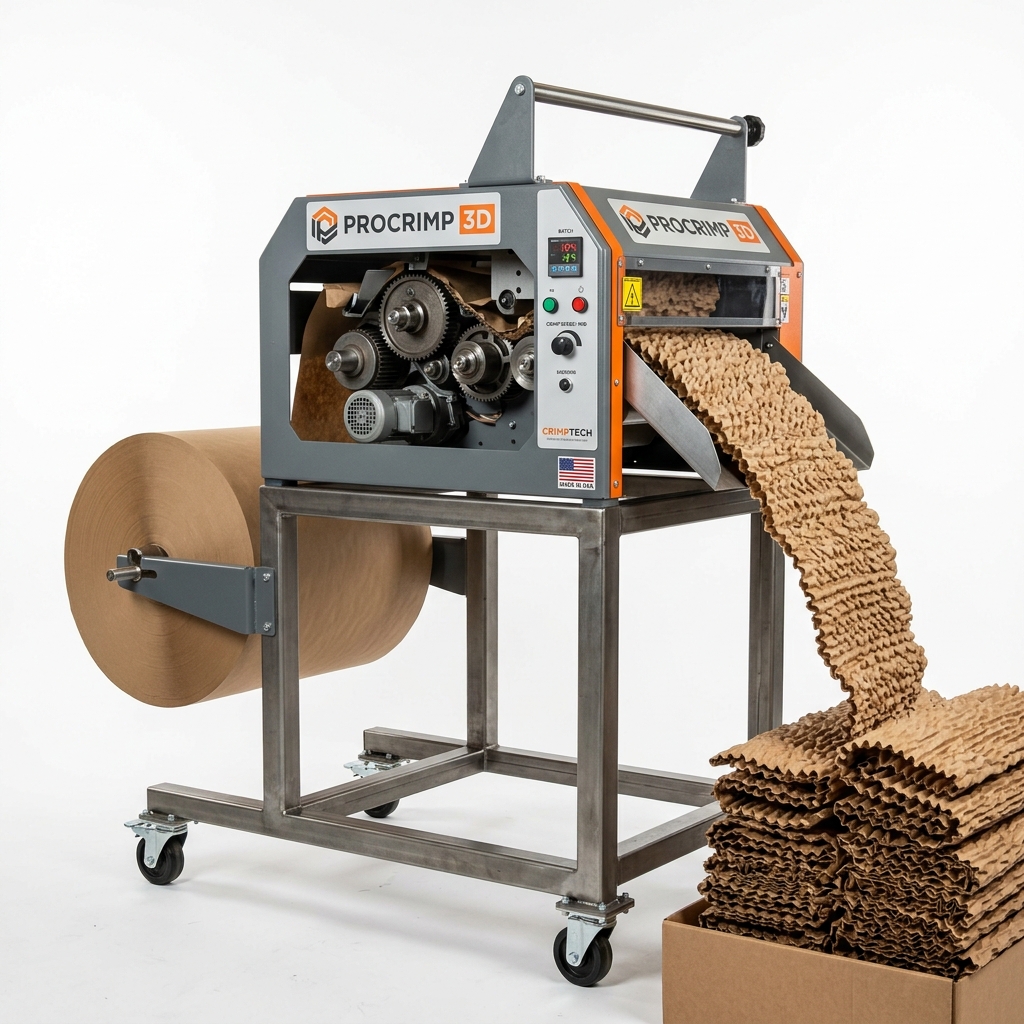
Paper Cushioning Converter Machine
EziPad
Paper cushioning converter for kraft paper pads used in blocking, bracing, and firmer carton protection for heavier or fragile products.
Kraft paper protective packaging
Create paper void fill and kraft paper cushioning on demand for cartons that need blocking, bracing, and product protection. Ezipack supplies paper cushioning machines and paper void fill systems for South African packing teams moving toward cleaner, paper-based protective packaging.
When this range fits
Paper cushioning converter for kraft paper pads used in blocking, bracing, and firmer carton protection for heavier or fragile products.
Paper void-fill converter for fast carton filling at packing benches. Supports flexible mounting and optional battery operation for changing station layouts.
Why paper protection
Void fill is mainly about filling empty carton space so products move less. Paper cushioning is denser protection for bracing, blocking, and impact-sensitive goods. The strongest setup starts by choosing which problem your packing line has first.
Paper void fill helps stop products moving around inside the carton during courier handling, warehouse movement, and final delivery.
Paper cushioning machines convert kraft paper into denser pads that can brace fragile, heavier, or irregular products when the carton fit is right.
For teams reducing plastic protective packaging, kraft paper void fill gives a familiar paper-based material that is easy for packers to handle.
Void fill, cushioning, and bench setup are different problems. Ezipack helps choose the paper system around carton size, product risk, and daily volume.
On-demand paper systems create protection at the station, reducing the need for loose filler bins or bulky pre-made protective packaging nearby.
Paper is not always the answer. Some operations should compare kraft paper with air cushions or shredded cardboard before choosing a system.
Where it fits
The right paper system depends on product weight, fragility, carton fit, dispatch speed, and whether the team needs quick void fill or denser cushioning pads.
Use paper void fill for mixed order profiles where carton sizes change and products need quick blocking inside the box.
Use paper cushioning as part of a controlled pack method for fragile goods where presentation and impact protection both matter.
Brace heavier parts, spares, and mixed components so they move less inside cartons during warehouse and courier handling.
Fill voids around boxed devices, accessories, and components where a tidy paper-based pack is preferred over loose plastic filler.
Use denser paper cushioning for irregular product shapes that need support without changing every carton specification.
Protect ceramic, decor, hardware, and mixed homeware orders with paper cushioning selected around product weight and fragility.
Related next steps
Paper cushioning, air cushions, honeycomb wrap, and shredded cardboard each solve a different packaging problem. The better choice depends on what is moving inside the carton.
Straight answers for operations teams comparing protective packaging options.
Void fill packaging fills empty space inside a carton so products do not shift during handling, courier movement, or warehouse dispatch.
You can use paper void fill, air pillows, honeycomb paper, or other protective material. The right option depends on product weight, fragility, and presentation needs.
Common options include kraft paper void fill, air cushions, honeycomb paper, and shredded cardboard. Ezipack helps match the filler to the product and packing line.
Paper cushioning is denser protection for bracing or shock absorption. Paper void fill is faster, lighter material used mainly to fill empty carton space.
Yes, paper cushioning can protect heavier or fragile items when the right paper system, carton size, and packing method are used together.
Talk to Ezipack
Send your product types, current void fill method, carton sizes, and dispatch volume. Ezipack can help compare paper void fill, paper cushioning, air cushions, and cardboard reuse before recommending a machine route.